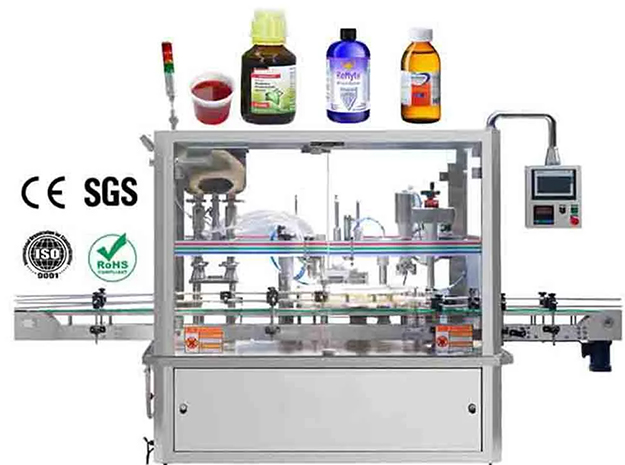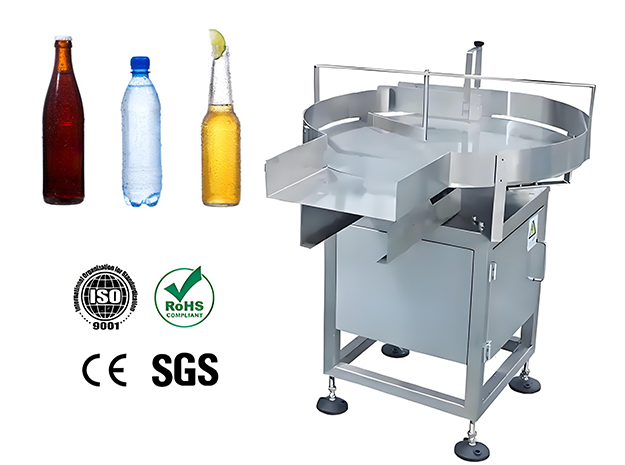
In today's manufacturing environment, more and more companies face the same challenge: orders are becoming increasingly fragmented, and product changes are happening more frequently. Today you might produce 500 bottles of product A facial cleanser, tomorrow 300 bottles of product B serum, and the day after 200 bottles of product C sauce.
This small-batch, multi-variety production model places entirely different demands on packaging equipment. If you allocate equipment using the traditional mass production approach, you'll either invest too much or face endless troubles during product changeovers. So, how do you allocate equipment most cost-effectively? This article will help you clarify the issue from several key perspectives.
I. What are the Pain Points of Small-Batch, Multi-Variety Production?
Before discussing equipment configuration, let's understand the three core pain points of this production model.
First, frequent product changeovers. Bottle types, cap types, or labels may need to be changed two or three times a day. Each changeover requires equipment adjustments, pipe cleaning, and mold replacement. If the equipment design is inadequate, changeover time may be longer than production time.
Second, high equipment idle rate. Small batch production means short uptime, making it impossible for high-speed equipment to operate at full capacity. High-speed production lines, purchased at great expense, spend most of their time "waiting for orders," resulting in a very low return on investment.
Third, there is a high reliance on manual labor. Many small-batch production processes still rely on manual filling, labeling, and capping. While flexible, this makes it difficult to guarantee efficiency and consistency, and recruiting workers is becoming increasingly difficult.
Therefore, "cost-effective" is not defined by the lowest price per machine, but by the lowest overall cost—including equipment investment, changeover time, labor costs, and maintenance costs.
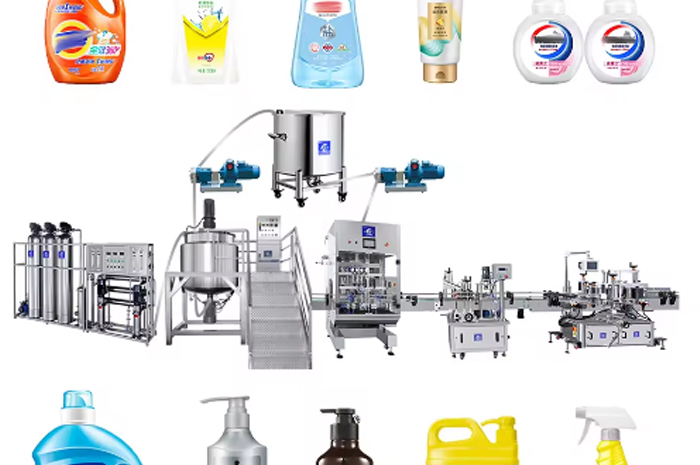
II. Core Principles: Flexibility, Modularization, and Universalization
For the characteristics of small-batch, multi-variety production, equipment configuration should follow three principles:
First, flexibility, meaning the equipment should be adaptable to various bottle and cap types. Prioritize equipment with servo adjustment or quick-change mechanisms. For example, choose a servo motor-controlled piston filling machine, where the filling volume can be adjusted directly via the screen without replacing parts; choose a labeling machine with a quick-release labeling head, where label changes take only a few minutes; and choose a capping machine with a quick-change capping head design, allowing for rapid switching between different cap sizes. Second, modularization, meaning combining components as needed to avoid over-investment. It's not necessary to equip all functions at once; start with semi-automatic or stand-alone machines and gradually upgrade to a production line. For example, buy a desktop capping machine and a manual labeling machine for small-batch trial production; once orders stabilize, upgrade to a fully automatic labeling machine and an automatic capping machine.
Third, standardization, meaning reducing specialized parts and increasing commonality. Choose conveyor belts and star wheels that are compatible with various bottle types. For example, adjustable-width conveyor belt guards can switch from round to square bottles in 5 minutes without changing any parts.
III. Recommended Configuration Schemes
Based on different budgets and levels of automation, three schemes are provided below for reference.
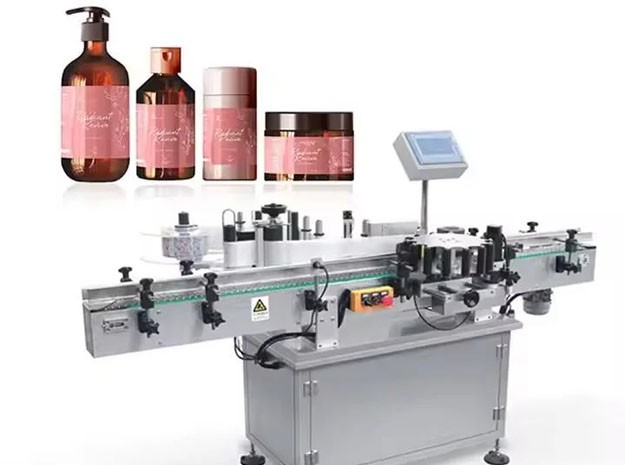
Scheme 1: Entry-level, budget 20,000-50,000 RMB Option 1: Filling Machine - Single-head or double-head benchtop piston filling machine, manual bottle placement, foot or pneumatic control, suitable for very low production volumes; Labeling Machine - Benchtop self-adhesive labeling machine, manual bottle placement, semi-automatic labeling; Capping Machine - Handheld or benchtop capping machine, manual capping, flexible adaptation to various cap types. Suitable for laboratories, small workshops, new product trial production, and daily output below 500 bottles.
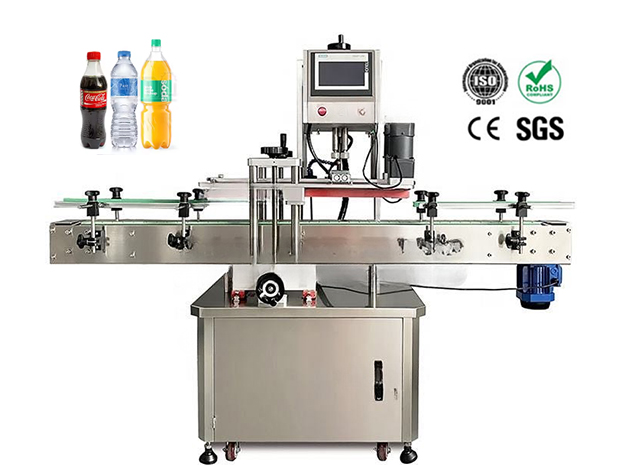
Option 2: Advanced Level, budget 80,000-150,000 RMB. Filling Machine - 4-6 head servo piston filling machine, adjustable filling volume on screen, no parts replacement required for product changeover; Labeling Machine - Fully automatic round bottle or double-sided labeling machine with quick-release structure, label change completed within 5 minutes; Capping Machine - Fully automatic clamping capping machine, quick capping head change, adjustable torque. Suitable for small and medium-sized enterprises with daily output of 500-3000 bottles and frequent product changeovers.
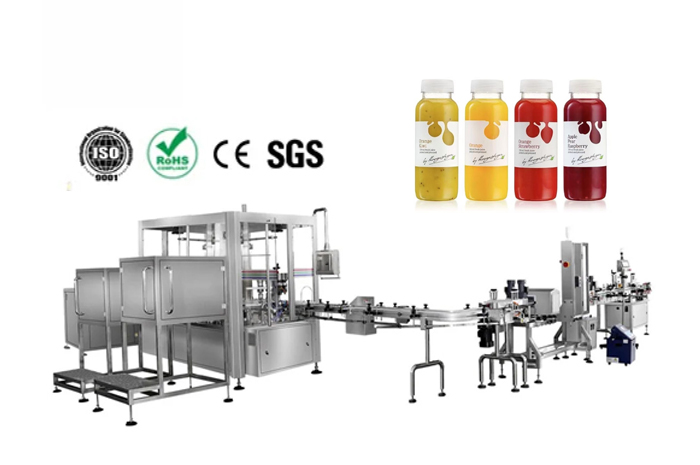
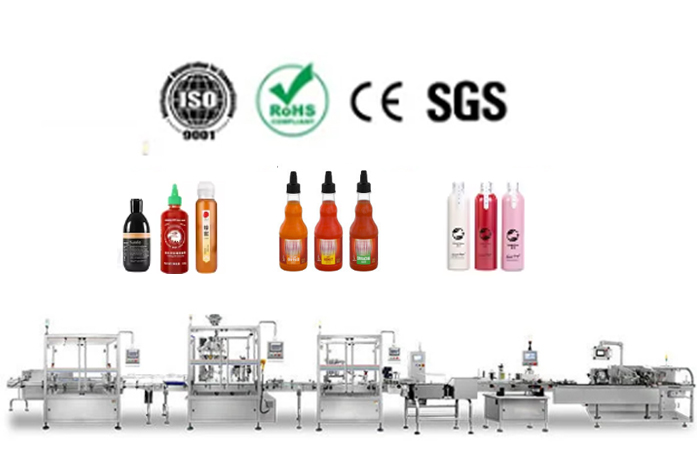
Option 3: Professional Level, budget above 200,000 RMB. The filling machine uses an 8-head servo piston filling machine equipped with CIP cleaning, supporting multiple material switching and automatic cleaning; the labeling machine uses a servo vision positioning labeling machine, adaptable to irregularly shaped bottles, with high labeling accuracy; the capping machine uses a servo gripper capping machine, adaptable to various cap types such as pump heads and tamper-evident caps; the entire line adopts PLC centralized control, realizing one-button start and stop, and automatic speed matching adjustment. Suitable for standardized factories with a daily output of 3000-10000 bottles, multiple product types, and frequent production changes.
IV. Easily Overlooked "Hidden Configurations"
In addition to the three main machines, the following configurations are equally important for small-batch, multi-variety production:
Adjustable width conveyor belt: The guardrail width can be adjusted without tools, saving time and effort when changing bottle types. Buffer platform: A small buffer platform is set between the filling machine and the labeling machine, preventing bottle blockage or empty runs even with slight speed mismatches. Quick-release pipes and hoppers: If the material is frequently changed, such as from juice to jam, the quick-release structure can greatly shorten cleaning time. For workshops with limited space, equipment with casters allows for flexible movement and can be combined as needed.
For small-batch, multi-variety production, the core of packaging equipment configuration is not "buying the most expensive" or "buying the cheapest," but rather "buying the most flexible."
A machine that requires 2 hours for changeover is a waste, no matter how cheap; a machine that can complete changeover in 5 minutes, no matter how expensive, can quickly recoup its cost. It is recommended to consider changeover time and compatible bottle types as equally important factors as price before purchasing.
If you are struggling to configure packaging equipment for small-batch, multi-variety production, please contact us. We can customize a cost-effective flexible packaging solution for you based on your product list, capacity estimates, and budget.