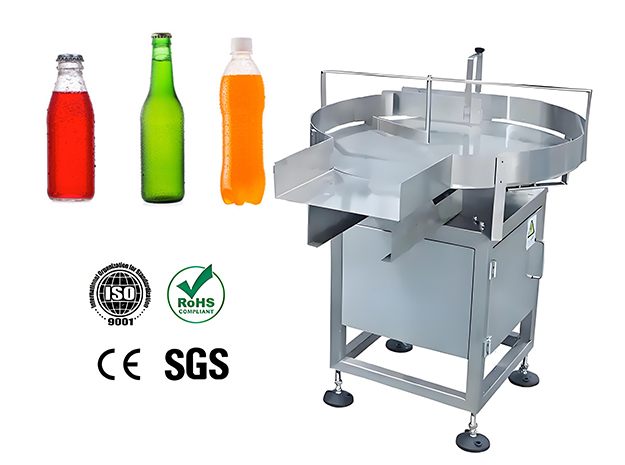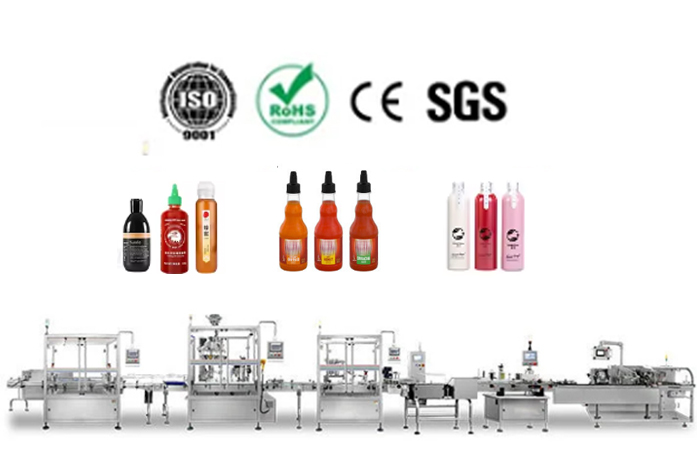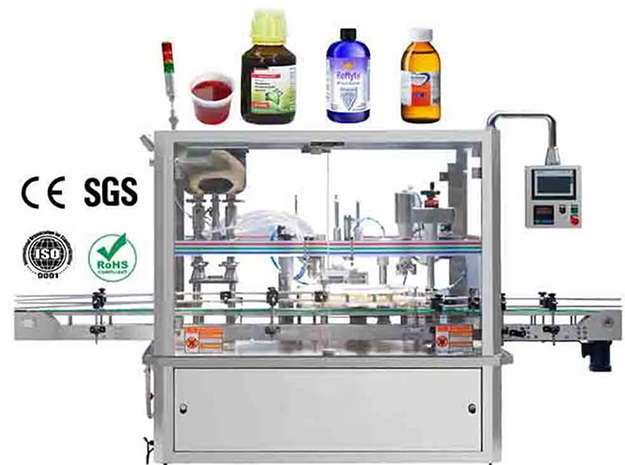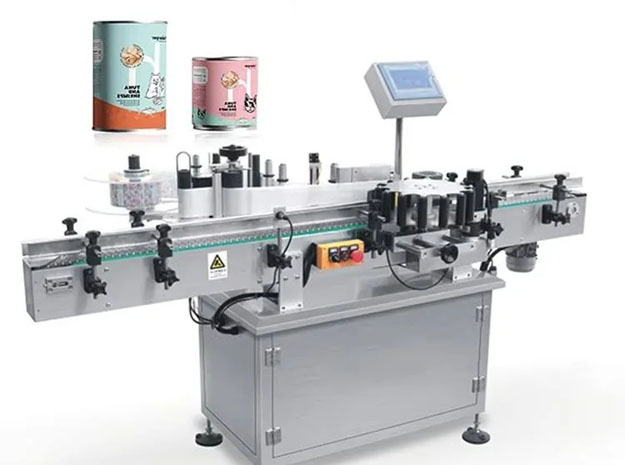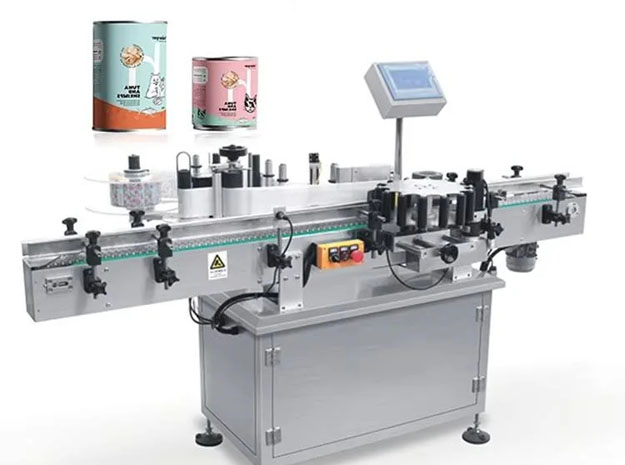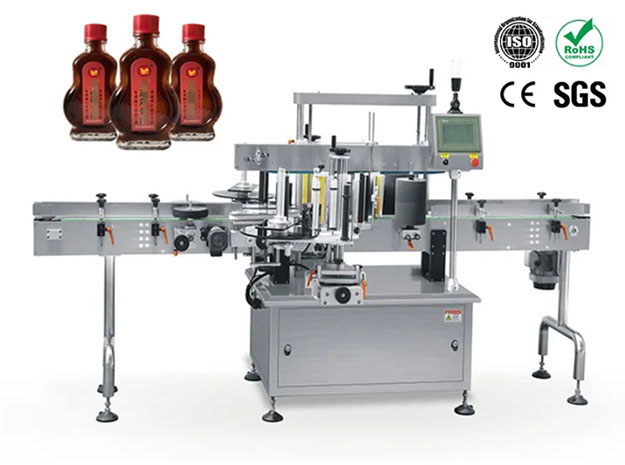
In the packaging equipment procurement field, two drastically different approaches have long existed: one is the traditional standalone procurement model, where companies purchase individual pieces of equipment such as bottle unscramblers, filling machines, capping machines, and labeling machines according to their needs, assembling them into production lines themselves; the other is the increasingly popular one-stop integrated production line solution, where a single supplier provides full-process services from design and manufacturing to commissioning. With intensifying market competition and rising production efficiency requirements, more and more manufacturers are re-evaluating these two models and tending to choose integrated production lines. The reasons behind this deserve in-depth discussion.
I. Hidden Costs of Standalone Procurement
The standalone procurement model seems flexible—companies can purchase in stages according to their budget or choose brands they deem to offer the "best value for money" among different equipment. However, this flexibility hides many easily overlooked costs.
First is the compatibility risk. Equipment from different brands often differs in control systems, communication protocols, mechanical interfaces, and transmission speeds. The bottle unscrambler's output speed is mismatched with the filling machine's input speed; the transition between the capping machine and the filling machine is not smooth; the labeling machine cannot adapt to bottle position deviations caused by previous processes… These problems are commonplace in actual production. The result is frequent production line jams, bottle pile-ups, and shutdowns, with overall efficiency far lower than the simple sum of the theoretical efficiencies of each individual machine.
Secondly, the division of responsibility is unclear. When a production line composed of equipment from multiple brands malfunctions, Manufacturer A claims the problem lies with Manufacturer B's equipment, Manufacturer B blames Manufacturer C's conveyor system, and Manufacturer C then shifts the blame to Manufacturer A's control system. Equipment suppliers pass the buck, leaving the company caught in the middle, struggling to coordinate, and wasting valuable production time. The commissioning cycle is thus indefinitely extended; a production line originally planned for one month often takes two, three, or even six months to complete.
Thirdly, after-sales maintenance is complex. Purchasing individual machines means the company needs to simultaneously manage the after-sales service teams of multiple suppliers, and spare parts procurement must also be done separately. If a supplier's service is untimely or they have changed their business model, subsequent equipment maintenance becomes a major challenge.
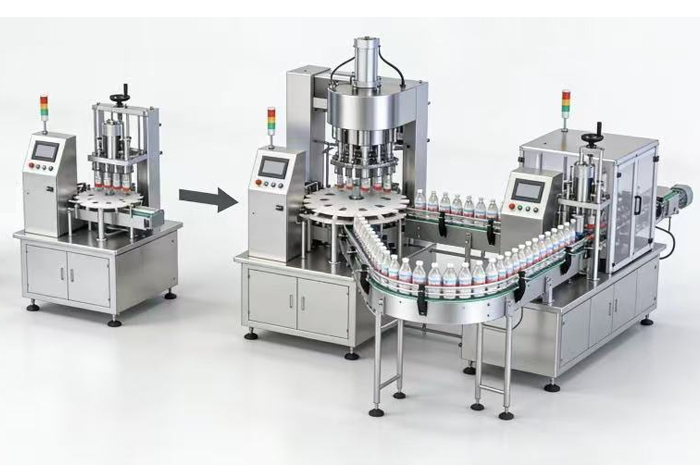
II. Core Advantages of Integrated Production Lines
In stark contrast to stand-alone machine procurement, one-stop integrated production line solutions are gaining increasing popularity among enterprises. Their core advantages are mainly reflected in the following aspects:
1. System Collaboration, Optimal Efficiency
The greatest value of integrated production lines lies in "system optimization" rather than "stand-alone machine optimization." The entire production line is designed by a single supplier, with each step—from bottle handling, filling, capping to labeling—precisely matched in terms of speed, interface, and control logic. A unified PLC control system enables seamless linkage between various devices, and the conveyor system adopts a pressure-free or low-pressure design to ensure smooth material transitions between processes. The overall efficiency (OEE) of the entire line is far higher than that of piecemeal production lines, truly achieving a 1+1>2 effect.
2. Clear Responsibility, Efficient Commissioning
In the integrated production line model, customers only need to deal with one supplier. From contract signing to equipment delivery, installation, commissioning, and acceptance, everything is handled by one company. Any problems that arise do not require dealing with multiple manufacturers; a single phone call can find the responsible party. Professional integrated production line suppliers conduct full-line联动 testing before shipment, resolving most issues before delivery and significantly reducing on-site debugging time.
3. Unified Service, Worry-Free Operation and Maintenance
Another major advantage of integrated production lines is the uniformity of after-sales service. Whether it's spare parts procurement, technical training, or troubleshooting, customers only need to deal with one service team. Suppliers have a thorough understanding of the entire production line's operation and can provide more targeted maintenance advice. Some suppliers also offer remote diagnostics and predictive maintenance services, further reducing downtime risks.
4. Greater Flexibility, Convenient Changeover
Modern production demands increasing flexibility; a single production line often needs to handle multiple bottle types, cap types, materials, and label specifications. Integrated production line suppliers consider the changeover needs of the entire line from the initial design stage. Through a unified quick-change structure, servo control system, and formula management functions, they enable synchronized specification adjustments for all equipment, significantly shortening changeover time and improving production line utilization.
III. A Shift in Mindset from "Buying Equipment" to "Buying Capacity" The widespread adoption of integrated production line solutions reflects a fundamental shift in corporate procurement thinking—from simply focusing on "equipment price" to focusing on "total cost of ownership" and "capacity delivery capability."
When purchasing individual machines, companies easily fall into the "price comparison trap": this filling machine is 20,000 yuan cheaper than another, that capping machine is 10,000 yuan cheaper, but combining these "cheap" machines may ultimately result in higher hidden costs due to inefficiency and frequent breakdowns. While integrated production line solutions may seem to require a higher initial investment, from a life-cycle perspective, higher overall efficiency, lower failure rates, and more convenient after-sales service often lead to a better return on investment.
Conclusion The choice between individual machine procurement and integrated production line solutions is essentially a trade-off between two different philosophies: pursuing "partial flexibility" in the procurement process or pursuing "overall efficiency" in the production process? Increasing practice proves that the latter is more in line with the modern manufacturing industry's pursuit of efficiency, quality, and stability.
For companies planning new production lines or upgrading existing facilities, choosing a one-stop filling solution is not just about selecting a set of equipment, but also about choosing a truly efficient, collaborative, stable, and reliable production line, as well as a long-term partner. This shift from "buying a standalone machine" to "gaining production capacity" may be the right direction for equipment procurement in the era of intelligent manufacturing.