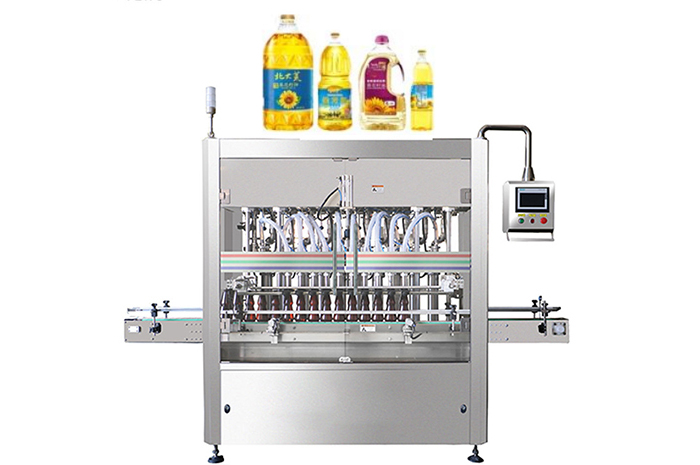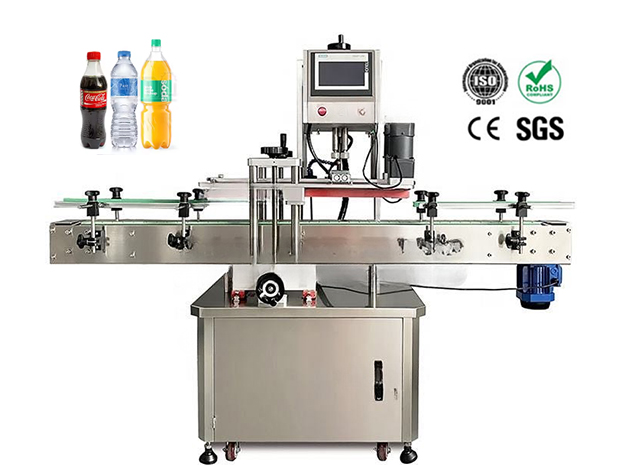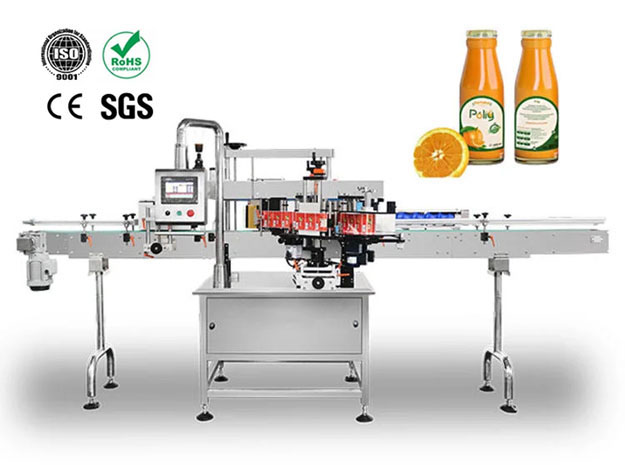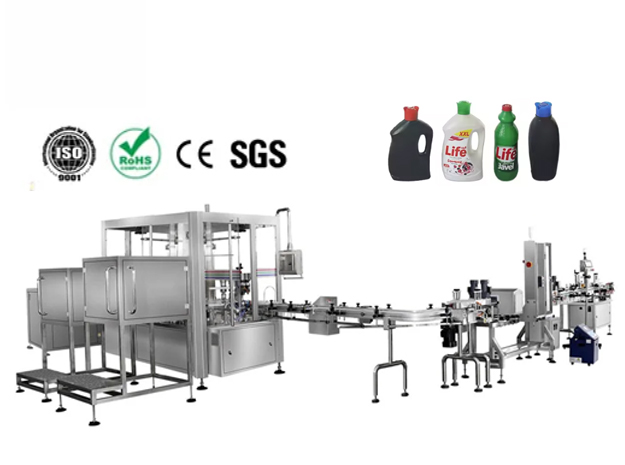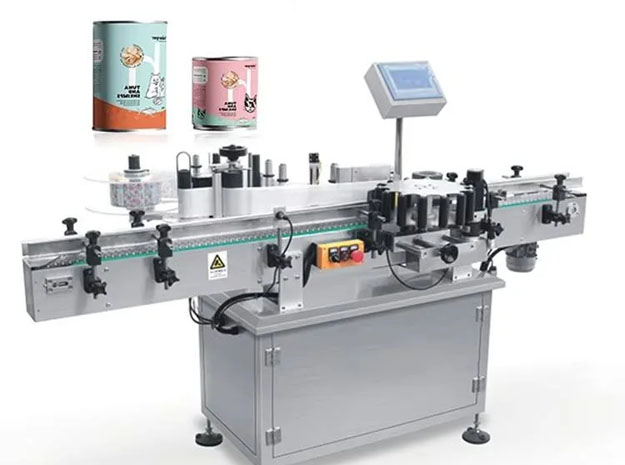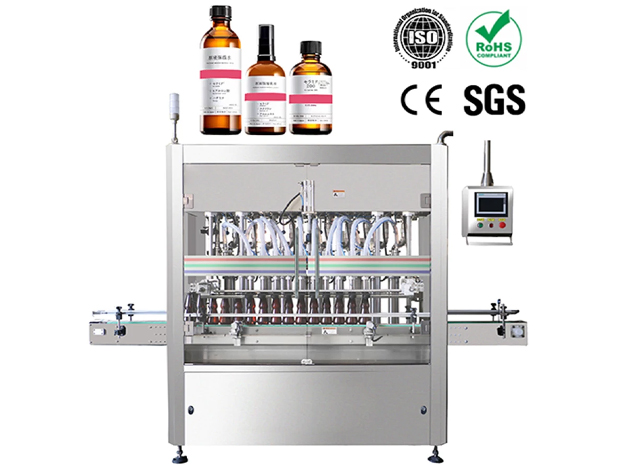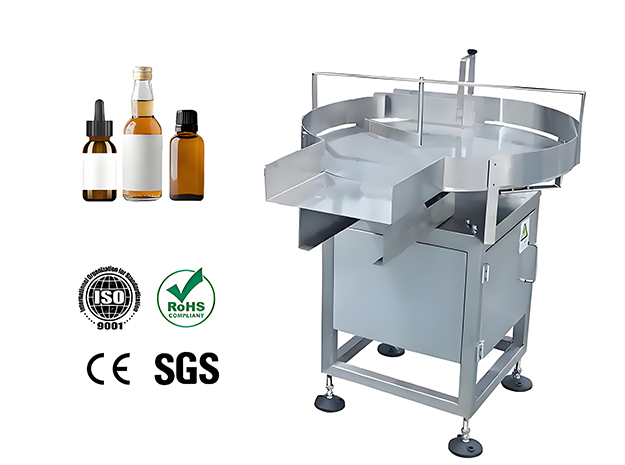
On filling production lines, the differences in material forms often present a real challenge for businesses: the same machine might be used to fill purified water one day, and honey, shampoo, or ketchup the next. Water is highly fluid and prone to splashing, while sauces are viscous and slow-flowing. Traditional filling machines either can only handle one type of material or require lengthy downtime for adjustments when switching between them. The fully automatic servo filling machine was developed to solve this problem.
Servo drive technology is key to achieving "one machine, multiple functions." Unlike traditional cylinder or mechanical cam drives, servo motors can precisely control the piston's speed, stroke, and acceleration using digital parameters. Simply put, it's like an experienced operator who can adjust the filling rhythm according to the material's consistency. For low-viscosity liquids, the servo system accelerates the piston's advance speed, working in conjunction with an anti-drip filling head to prevent splashing. For high-viscosity pastes or sauces, the advance speed is slowed, allowing the submersible filling nozzle to gradually rise from the bottom of the bottle, reducing material adhesion and air bubble formation. The same machine can handle the transition from "water" to "sauce" simply by selecting different formulas on the touchscreen.
This adaptability is supported by clear technical technology in actual production. The metering accuracy of servo filling machines is typically controlled between ±0.5% and ±1%, with high-precision models even reaching ±0.2%. In simple terms, for filling 1000 ml of material, the error is no more than a few milliliters. Stability does not depend on the material's inherent flowability but rather on the closed-loop control of the piston stroke by the servo motor—meaning the motor can "sense" and "correct" each filling action in real time. Each filling head can be independently fine-tuned to ensure consistency across multiple filling stations. For sauces containing particles, the equipment can also be equipped with a mixing tank and a special three-way valve to prevent sedimentation and blockage, further expanding its applicability. Operational convenience is another significant advantage of servo filling machines. When changing material types, traditional equipment requires repeated manual adjustments of mechanical parts, which is time-consuming and relies heavily on experience. Servo filling machines, however, integrate parameters such as filling volume and speed into the human-machine interface. During switching, simply input the target volume, and the system automatically calibrates the output volume. Combined with quick-change filling heads and sanitary quick-connect tubing, downtime for cleaning and changeovers is significantly reduced.
From thin liquids to thick pastes, from beverages and edible oils to daily chemical products and pharmaceuticals, fully automatic servo filling machines replace rigid mechanical transmissions with flexible servo drives, transforming the concept of "co-line filling of materials with different flowability" from a mere idea into a viable production solution. For companies seeking flexible, multi-variety, small-batch production, this adaptability itself is a competitive advantage.