In the world of wine, terroir gives the grape its soul, and winemaking gives it life; yet, the bottling process is the critical final step that determines whether that life is fully conveyed to the glass. While traditional bottling is often viewed merely as the final mechanical act on an assembly line, it becomes a vital ritual of "sealing in the essence" when faced with oxygen—the "natural enemy of flavor"—which constantly threatens the wine's purity.
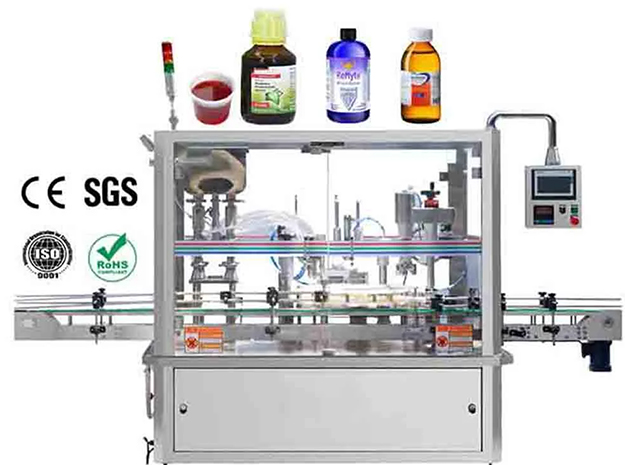
The innovation of fully automated flexible filling technology lies primarily in its absolute control over oxygen. Oxygen is a friend to aging wine but an enemy during the bottling process. Contact between the wine and air, or turbulence caused by liquid drops, can trigger a spike in dissolved oxygen, accelerating oxidation and causing fruit aromas to fade and the color to turn brown. Advanced flexible filling systems establish an "oxygen-blocking defense" through multiple measures: purging air from pipelines and bottles with nitrogen before filling to create an inert atmosphere; utilizing negative-pressure or isobaric filling methods to minimize splashing and turbulence; and, for sensitive wines, flushing the bottle neck with sterile nitrogen before capping to expel residual oxygen from the headspace. These operations precisely control dissolved oxygen levels in the bottled wine to an extremely low range (e.g., below 0.5 ppm), acting as a "protective seal" that preserves the wine's fresh vitality from the moment it leaves the winery throughout its long shelf life.
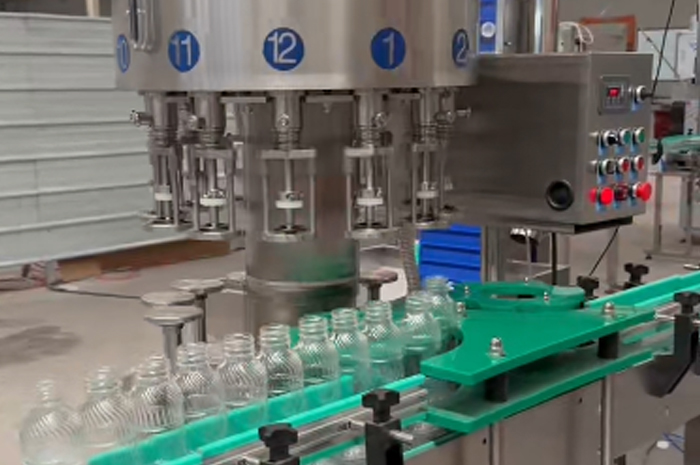
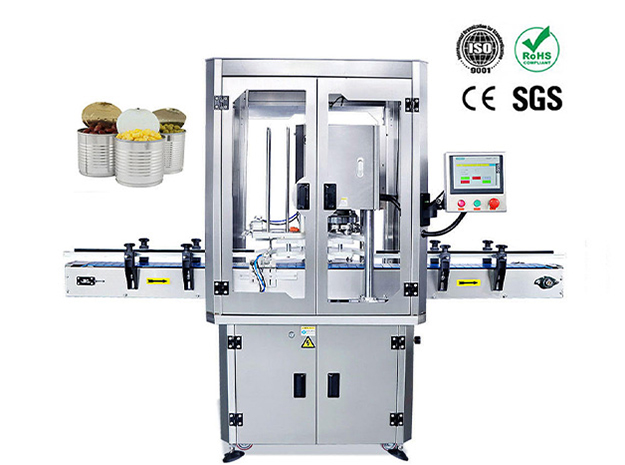
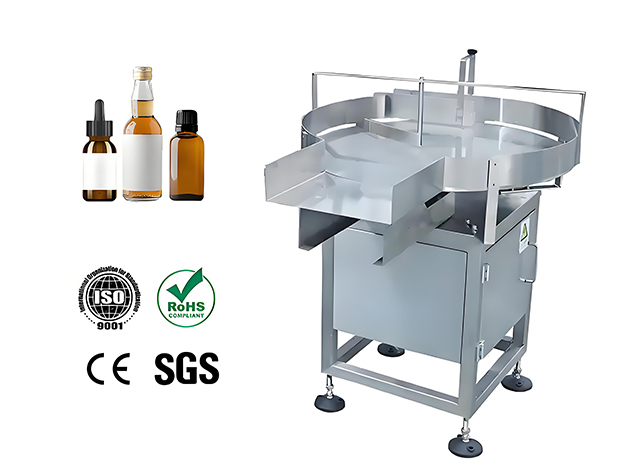
The term "flexible" represents another layer of freedom that this technological revolution grants to producers. In an era of personalized consumption, winery product lines are becoming increasingly diverse—with varying bottle shapes, capacities, and liquid viscosities, each demanding different levels of precision and filling methods. While traditional rigid production lines often struggle to handle frequent changeovers, flexible filling systems—leveraging modular design and intelligent control—make "one-touch switching" a reality. Whether handling slender 375ml bottles or substantial 1.5L magnums, and whether processing viscous icewine or effervescent sparkling wine, the system utilizes servo-driven precision metering and quick-change filling heads to adjust rapidly—achieving filling accuracy of ±1ml or better. This flexibility not only minimizes downtime and material waste during format changes but also empowers wineries to confidently pursue a strategy of small-batch, diverse premium production, ensuring that every drop of distinctive wine finds its ideal filling "posture."
At the same time, the technology’s commitment to "gentle" handling reflects an uncompromising dedication to preserving wine quality. A high-precision, closed-loop check-weighing system monitors the net content of every bottle in real-time during high-speed operation, preventing waste from overfilling and avoiding customer complaints associated with underfilling. For wines or fruit juices prone to foaming, a specialized vacuum suction device ensures a foam-free, drip-free process; this keeps bottle threads and labels pristine while preventing issues like false liquid-level readings caused by foam or compromised sealing integrity.
Ultimately, the significance of fully automated, flexible filling extends far beyond the mere act of putting wine into a bottle. It is a "sealing ritual" driven by technology and dedicated to flavor—locking in freshness before oxygen can intrude, balancing efficiency with individuality, and maintaining precision alongside gentleness during high-speed production. When a consumer twists open the cap, the rush of pure, fruity aroma is the ultimate testament to the success of this "preservation of original flavor."