Configuring an efficient, fully automated filling production line is far more than simply piecing together a few machines. It is a systematic undertaking that requires enterprises to plan comprehensively—covering equipment selection, process integration, and intelligent control—based on their specific product characteristics, production capacity targets, and quality standards.
First, the core approach is to "tailor the strategy to the product," meaning the filling technology is selected based on the product's physical properties. Materials in different states impose vastly different requirements on filling methods. For free-flowing liquids like edible oils and beverages, high-precision flow meters or volumetric piston pumps are typically used for quantitative filling, achieving accuracy within ±0.5%. Conversely, for high-viscosity materials such as jams and shampoos, piston-type filling machines are more suitable, as they precisely control volume through the suction and discharge action of the piston. For sauces containing particulates or solid products, multi-head weighers or volumetric cup filling systems are required. Therefore, at the initial configuration stage, clearly defining the product's attributes and viscosity is essential, as this directly determines the core type of filling machine and its maximum achievable precision.
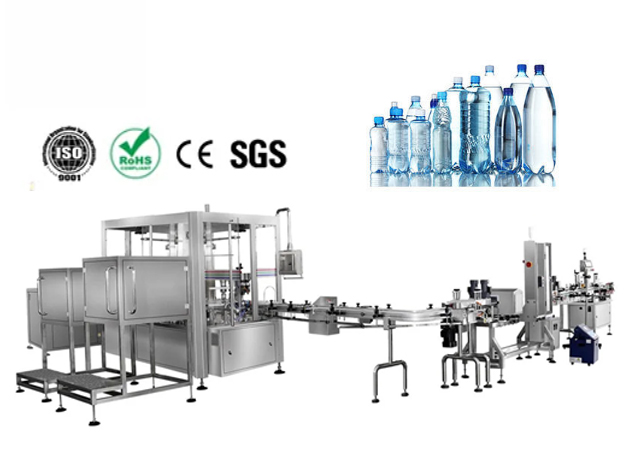
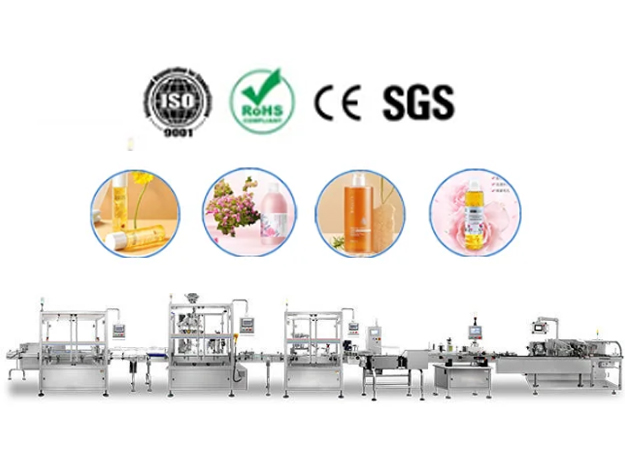
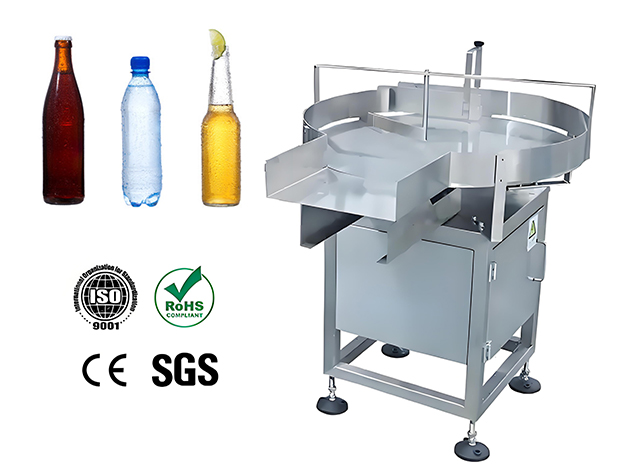
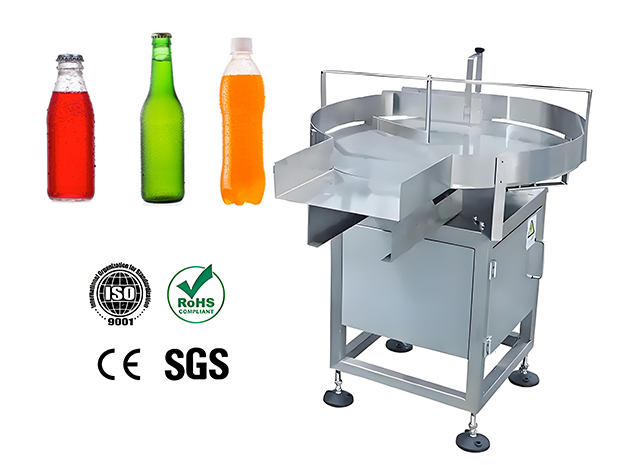
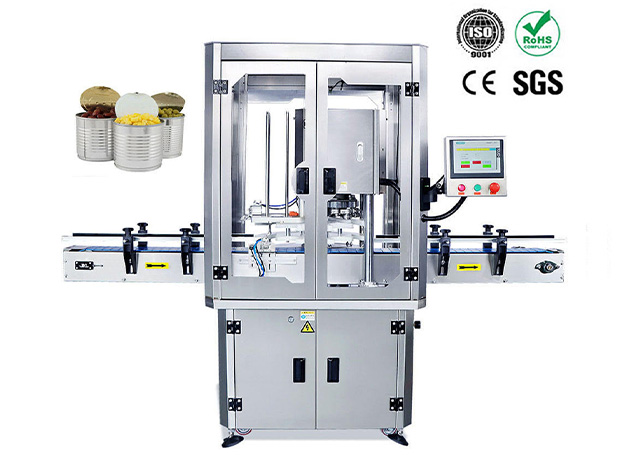
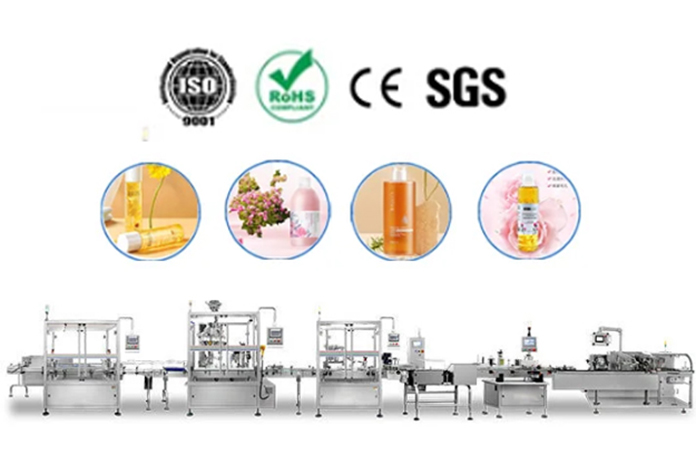
Second, the production line configuration must be built around "end-to-end automation" to create a complete, closed-loop system. A standard fully automated filling line performs functions that extend well beyond mere "filling." It typically consists of a series of interconnected units: container feeding/bottle unscrambling, washing and drying, precision filling, automatic capping, labeling and coding, and automated case packing and palletizing. For instance, in oil filling, empty bottles must undergo unscrambling, washing, and drying before reaching the filling station; post-filling, they proceed through capping, labeling, and coding to final packaging, forming a complete loop from empty bottle to finished product. This integrated design minimizes manual intervention while ensuring production continuity and hygiene standards. In environments with strict requirements—such as the pharmaceutical or high-end food industries—systems for CIP (Clean-in-Place) and SIP (Sterilize-in-Place) must also be integrated, alongside clean designs that comply with GMP regulations.
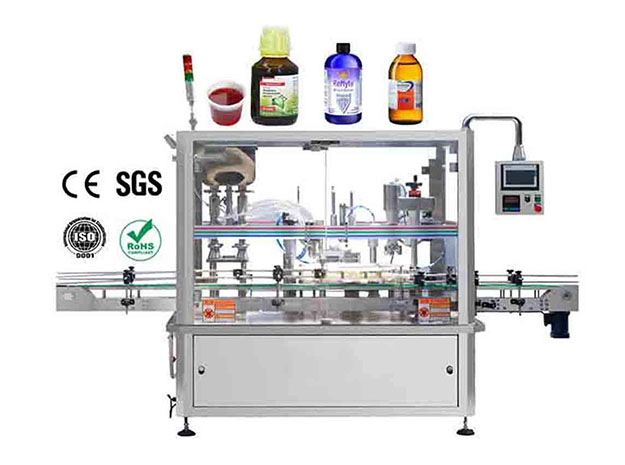
Finally, precise control and anti-drip mechanisms are crucial for ensuring both efficiency and quality. Filling accuracy and the cleanliness of the production environment are key indicators used to evaluate the performance of the production line. Advanced production lines utilize PLCs and HMIs (Human-Machine Interfaces) for programmed control, enabling features such as variable-frequency speed regulation and "no-bottle, no-fill" safety mechanisms. For liquids prone to dripping—such as oils—it is crucial to equip the system with anti-drip filling heads featuring "vacuum suck-back" or "mechanical seal" capabilities; these instantly retract residual liquid after filling, preventing drips from contaminating the bottle and the production line. For filling large drums or IBC totes, visual or mechanical positioning technologies can be integrated to ensure precise, automated alignment with the container opening.
Finally, long-term considerations regarding layout and intelligent scalability are essential. Configuration plans should account for the workshop's spatial layout and future expansion needs. For instance, L-shaped or U-shaped layouts can be adopted to arrange functional zones—such as bottle washing, filling, and capping—in a way that optimizes space utilization. Furthermore, production lines capable of "flexible manufacturing" offer greater investment value by allowing for rapid changeovers between different container capacities and bottle shapes. Most importantly, priority should be given to equipment that supports SCADA (Supervisory Control and Data Acquisition) interfaces, thereby paving the way for future integration with factory-level MES (Manufacturing Execution Systems) and digital management.
In summary, configuring a fully automated filling line is a process that is product-centric, technology-driven, and forward-looking. By thoroughly understanding their own requirements and engaging in in-depth consultations with technology providers for a tailored solution, enterprises can create an intelligent filling system that meets current production needs while adapting to future growth. Henan Mingtan specializes in the manufacture and sale of packaging machinery; we invite you to share your requirements and discuss the details with our sales team so that we can configure the perfect production line for you.